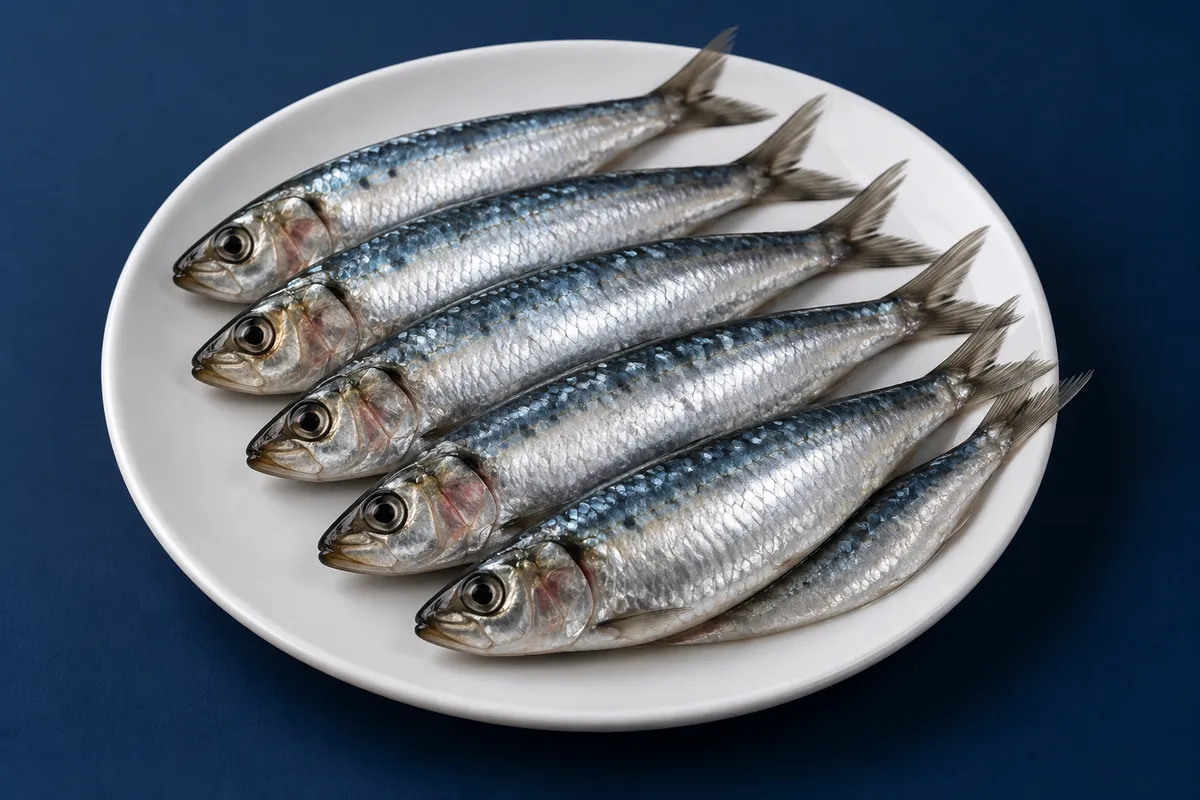
Sardines bring several useful nutrients together in one small fish. That makes them a worthwhile ingredient to understand, whether you are exploring the sardine fast or simply looking for a convenient protein source.
Protein for everyday meals
Protein contributes to the growth and maintenance of muscle. Including a protein source in meals also helps make them satisfying. Sardines are a practical option because tinned versions are ready to eat and need little preparation.
Protein does not work in isolation from the rest of your routine. Enough overall food, varied nutrition and regular activity all matter. For weight management, useful protein belongs within an eating pattern whose portions suit your goals.
Omega-3 fats from oily fish
Sardines are oily fish and provide the long-chain omega-3 fats EPA and DHA. These fats have important roles in the body, including within cell membranes. Eating fish can be part of a nutritious eating pattern.
The amount varies with species and preparation. Nutritional benefits of oily fish do not prove that an exclusive sardine fast treats a condition or delivers a particular result. We keep the food’s contribution separate from promises about an eating challenge.
Calcium from the soft bones
Tinned sardines eaten with their edible bones can contribute calcium. Calcium supports normal bones and teeth, as well as other body functions. Boneless products will not offer the same contribution from bones, so check what you buy.
Some people prefer the texture of boneless fillets. Choose an option you enjoy and think about your wider calcium sources across the week. If swallowing difficulties affect you, seek individual advice on suitable food textures.
Vitamin B12 and wider nutrition
Sardines also supply vitamin B12, which is needed for normal nerve function and healthy blood cells. Nutrient amounts are product-dependent; the information on a specific tin is more relevant than a single universal figure.
No one food supplies everything. A varied diet allows different foods to contribute fibre, vitamins and minerals alongside sardines’ strengths. That makes the meal as a whole more useful than focusing on one nutrient alone.
Turn nutrition into a practical choice
Compare drained weight, portion size, energy, protein and salt. Follow storage guidance after opening. For frequency, use current UK oily-fish advice and adjust for your circumstances.
Read our guide to choosing tins or introduction to the sardine fast.
Sources
NHS fish and shellfish, NIH omega-3 information, NIH calcium information and NIH vitamin B12 information.
Put the ideas into practice with our guides.
Explore the guides