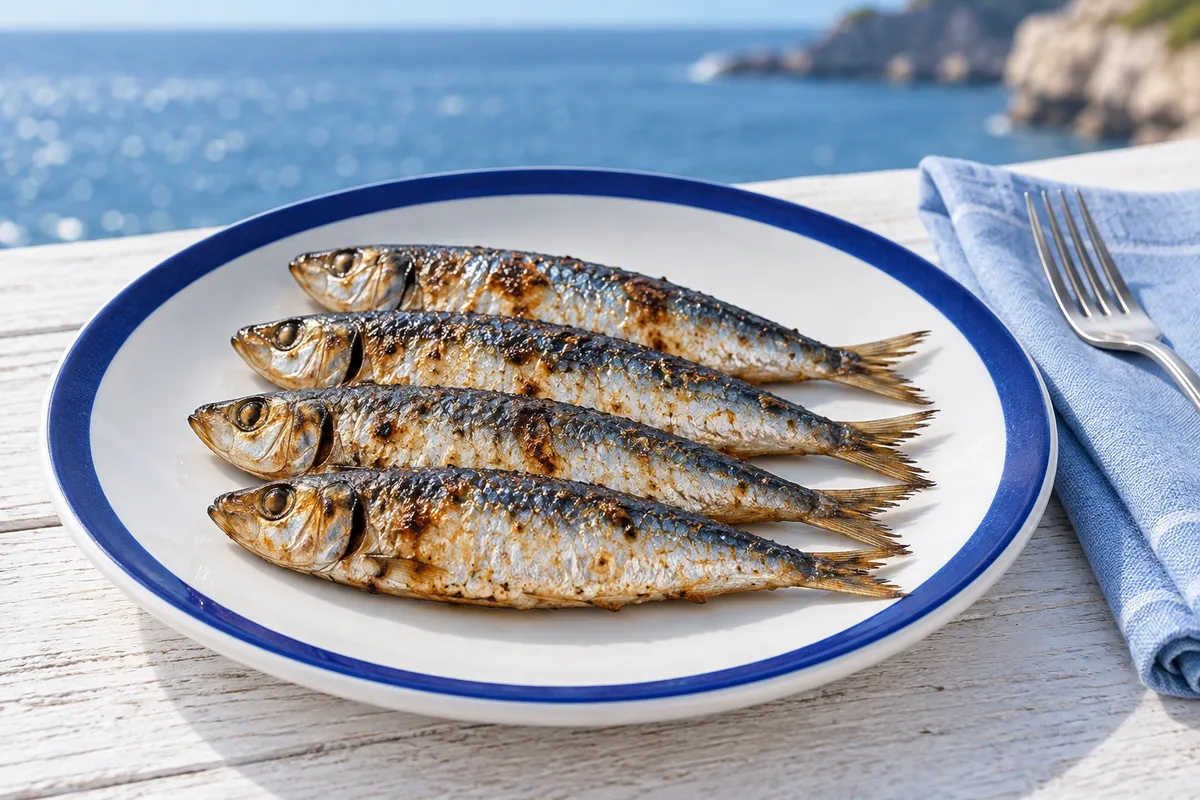
A sardine fast is a short eating challenge built mainly or exclusively around sardines. It is sometimes described online as a three-day challenge. The name can be confusing: sardines contain energy, so eating them is not a zero-calorie fast.
The appeal is easy to understand. Sardines are simple, convenient and rich in protein. You can open a tin without needing a complicated recipe, and oily fish brings useful long-chain omega-3 fats to the diet.
Sardine fast or sardine diet?
People use these phrases in different ways. A sardine fast usually means a brief, restrictive challenge. A sardine diet can also mean a broader eating pattern in which sardines feature regularly. This site explains the distinction and focuses on making the nutritional benefits useful in everyday life.
You do not need to eat sardines exclusively to benefit from them. Including them within varied meals allows other foods to contribute fibre and a wider range of nutrients. That flexibility is a useful foundation for a routine you can maintain.
Why sardines deserve attention
Their protein makes them a useful building block for satisfying meals. Sardines with edible bones can contribute calcium; they also supply vitamin B12. Tins are practical to keep at home and are ready to use when your day is busy.
Fresh and tinned sardines both have a place. Preparation, pack size and the accompanying liquid affect a product’s nutrition figures. Read the label on your own tin rather than assuming every sardine product is identical.
A useful first step
Start by choosing sardines you enjoy. Compare the portion size, drained weight, protein, energy and salt on the label. Think about a meal you can repeat easily, then plan the rest of your week with variety.
If weight loss is your goal, the relevant question is whether your overall routine helps you sustain an appropriate energy deficit. Sardines can be part of that routine; an exclusive sardine fast has not been established as a superior way to lose body fat.
Make the approach fit your circumstances
Follow UK oily-fish guidance. Most adults should have no more than four portions weekly; girls and women who may become pregnant, are pregnant or breastfeeding should have no more than two. A portion is around 140g. Seek individual advice before restrictive eating if you take medication or have a condition affecting your diet, and avoid sardines with a fish allergy.
Read next: sardines and weight loss and sardine nutrition benefits.
Sources and further reading
NHS fish and shellfish nutrition. The owner’s supplied Prevention article provides context on the online trend; individual success stories are not proof of typical outcomes.
Put the ideas into practice with our guides.
Explore the guides